
10.29.2025
Joseph L. Murphy
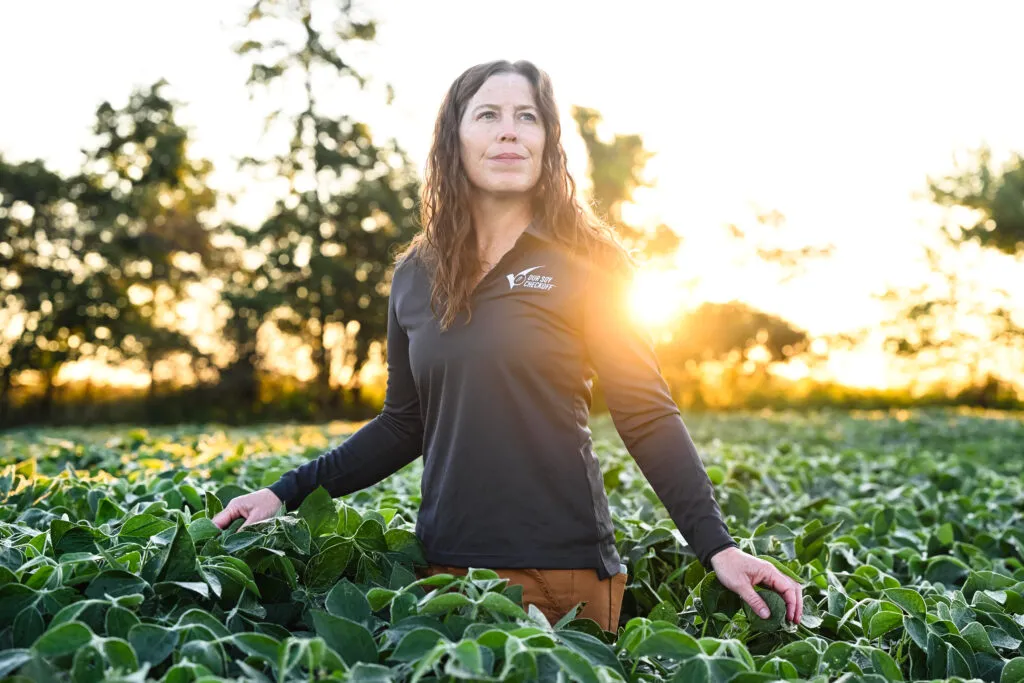
Sponsored by U.S. Soy, the Nutrition News Update featured a presentation by dietitian Cara Harbstreet and Michigan-based farmer leader Carla Schultz, offering an in-depth look at soy’s versatility, health benefits and environmental stewardship.
“Soy is more than just a protein source. It’s a culinary chameleon that brings value across every life stage,” said Harbstreet, a dietitian and founder of Street Smart Nutrition. Her presentation began by mapping the growing interest in soy, with Google Trends data revealing seasonal surges in consumer curiosity, particularly around the new year and during Soy Foods Month in April.
Harbstreet discussed how soy-based ingredients like edamame, silken tofu and tempeh can meet modern demands for flavor, convenience and nutrition. In particular, she spotlighted tempeh, a fermented soy product, as a “massively popular” food in global markets, projected to exceed $9 billion in value. Her own tempeh sloppy joe recipe, featured during the event’s lunch, illustrated how soy can meet comfort food expectations while delivering health benefits.
“If it doesn’t taste good, the nutrition really doesn’t matter,” Harbstreet told the audience, emphasizing that soy foods must be both practical and palatable.
Nutrition Science Meets Soy Innovation
Harbstreet’s presentation examined the protein quality of soy, highlighting its favorable rankings in both the Protein Digestibility Corrected Amino Acid Score (PDCAAS) and the Digestible Indispensable Amino Acid Score (DIAAS) scoring systems, which assess digestibility and amino acid content. She challenged attendees to go beyond protein quantity and emphasize the importance of protein quality in nutrition guidance, particularly for populations using GLP-1 medications or following plant-based diets.
She also tackled popular nutrition debates, including ultra-processed foods and seed oils.
Soybean oil (or the popular term seed oil), often scrutinized in wellness circles, was another area of interest to this group of health professionals. She encouraged dietitians to use their platforms to clarify misconceptions and communicate the science behind these commonly used ingredients.
Sustainability from the Soil
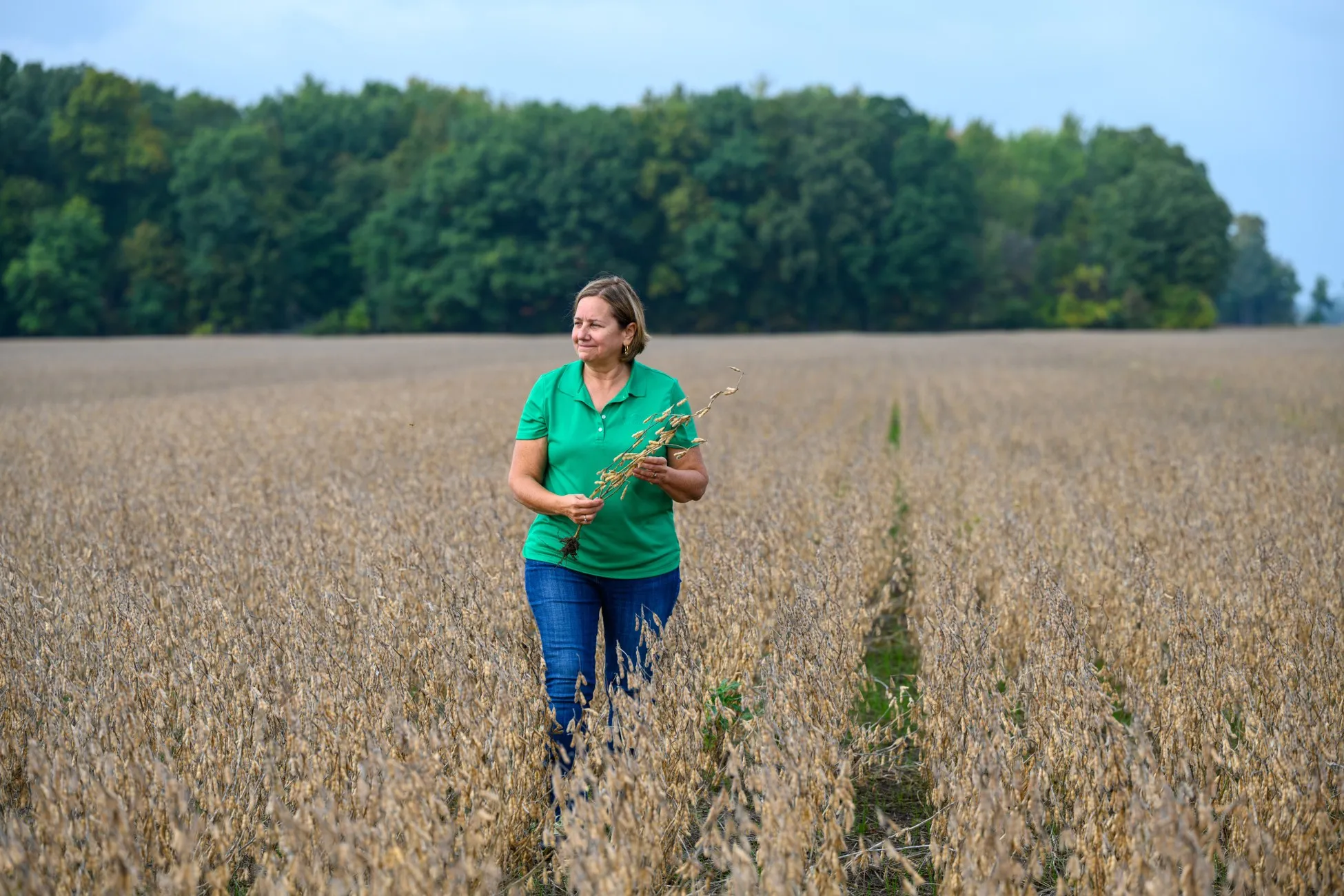
Schultz also took the stage to connect soy’s nutritional promise back to the soil. Representing both her own Eight Plates Farm and the nearly half-million soybean farmers across the United States, Schultz delivered a portrait of today’s family farming operations.
“Our farm is run by eight people: my parents, my husband and I, and our four kids,” she said, noting that 98% of U.S. farms are family-owned. Schultz shared personal stories of her children operating farm equipment, pursuing agricultural education, and helping raise crops and livestock.
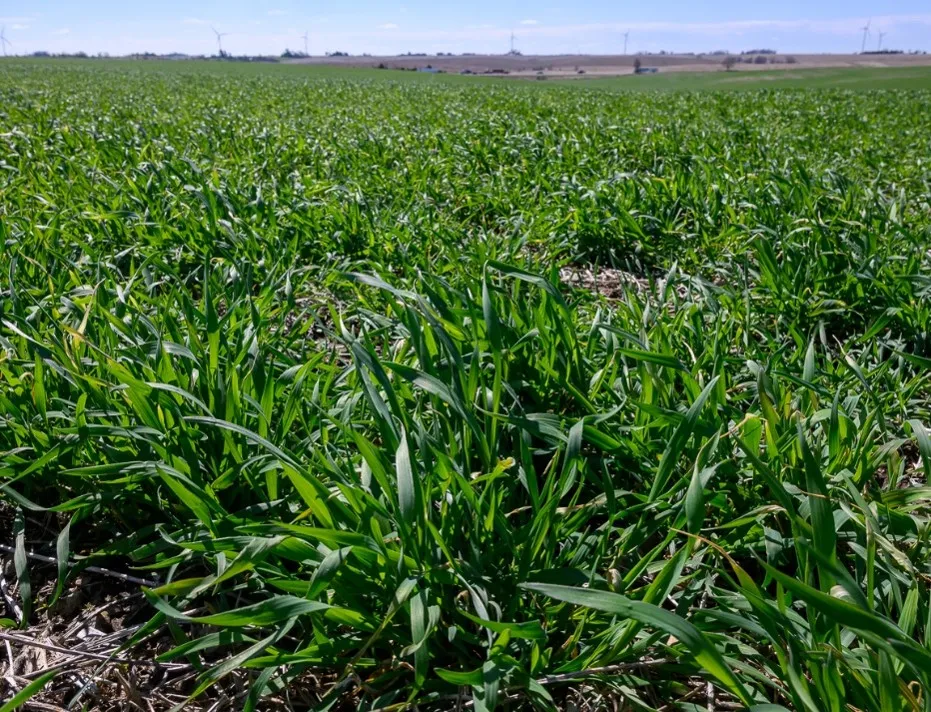
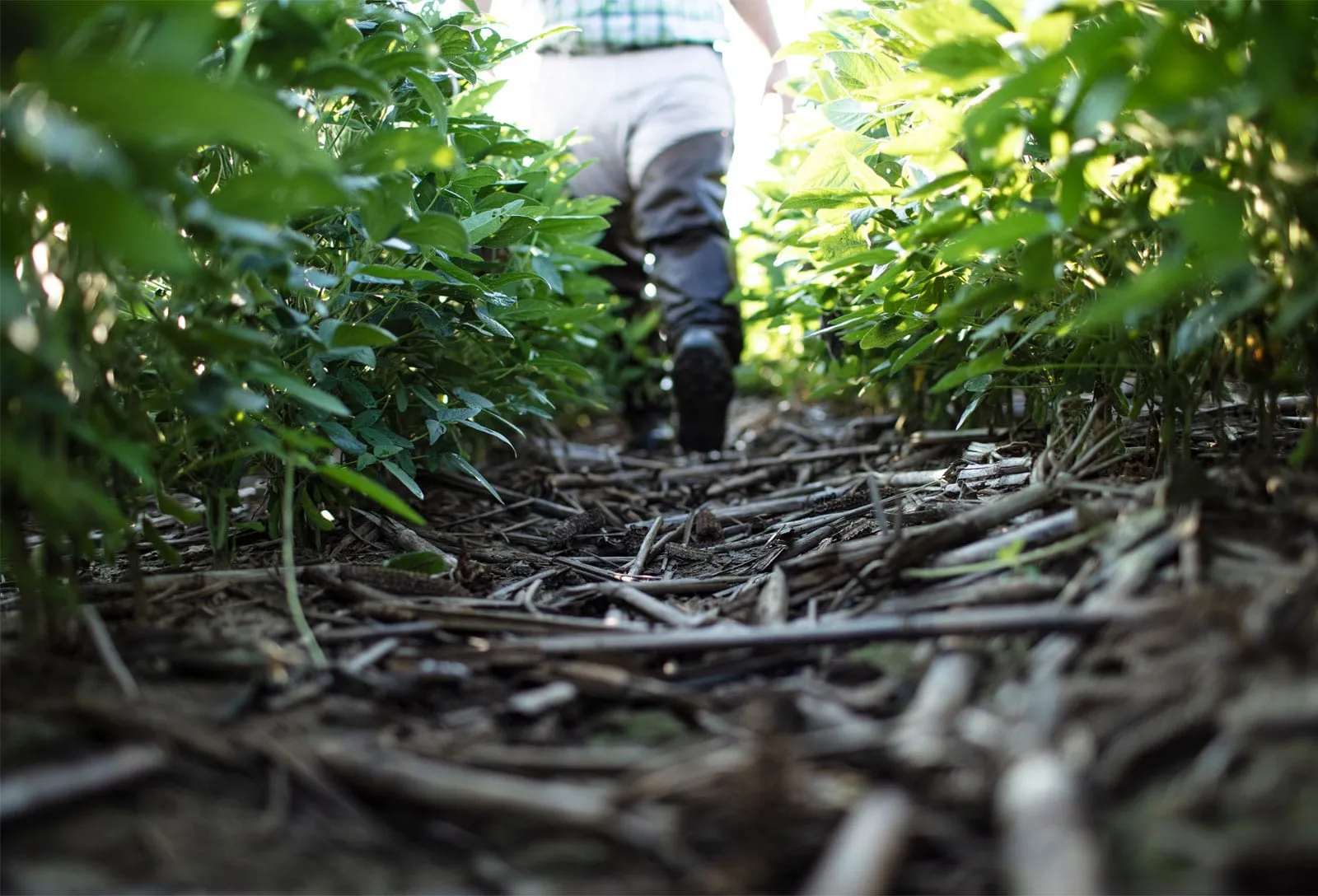
She outlined sustainable farming practices, including no-till, cover crops, filter strips and precision ag technology. These techniques not only protect water quality in Michigan’s Great Lakes region but also contribute to reduced carbon emissions per bushel of soy.
“Soil health is just as critical as body health,” Schultz said. “We think of it as a living city underground that we try to protect.”
Beyond food, she reminded attendees that soybeans are also critical for feed, fuel and industrial applications. These include biobased products like firefighting foam and marine biofuels.
“Soybeans are a miracle crop,” Schultz said. “But farmers need markets. We need to keep innovating not just for the planet, but to stay in business.”
One of the most impactful aspects of the event, according to attendees, was the one-on-one engagement between the various commodities represented and dietitians representing leading media outlets, including The New York Times, Health, Fox News, Better Homes & Gardens, and Real Simple. These conversations helped further the goal of equipping influential voices with accurate, science-backed information on the role of soy in modern diets and sustainable systems.
“You are our bridge to the consumer,” Schultz shared with her peers across the food and ag industry. “Use us as a resource. We’re here to answer your questions and help you tell the full story.”

Joseph L. Murphy
USB Contractor, Director, Editorial Content
Joe Murphy is a photographer and writer focused on providing creative work.