

01.06.2026
Joseph L. Murphy
In a recent webinar hosted in partnership with the Soy Checkoff, U.S. Soybean Export Council (USSEC), and World Initiative for Soy in Human Health (WISHH), U.S. Soy farmer leaders Tony Mellenthin, Laurie Isley, and Jim Douglas offered firsthand insights into the evolving dynamics of soybean exports. They highlighted opportunities and barriers for U.S. soy in a shifting global marketplace.
The farmer-led discussion centered on strategies funded by farmer investments to diversify international markets, boost demand for soybean meal, and promote U.S. Soy sustainability credentials.
Diversifying Markets Beyond China
While China remains the dominant buyer of U.S. soy, accounting for the largest share of global trade, Mellenthin, a Wisconsin farmer leader, emphasized the importance of reaching new, price-sensitive markets.
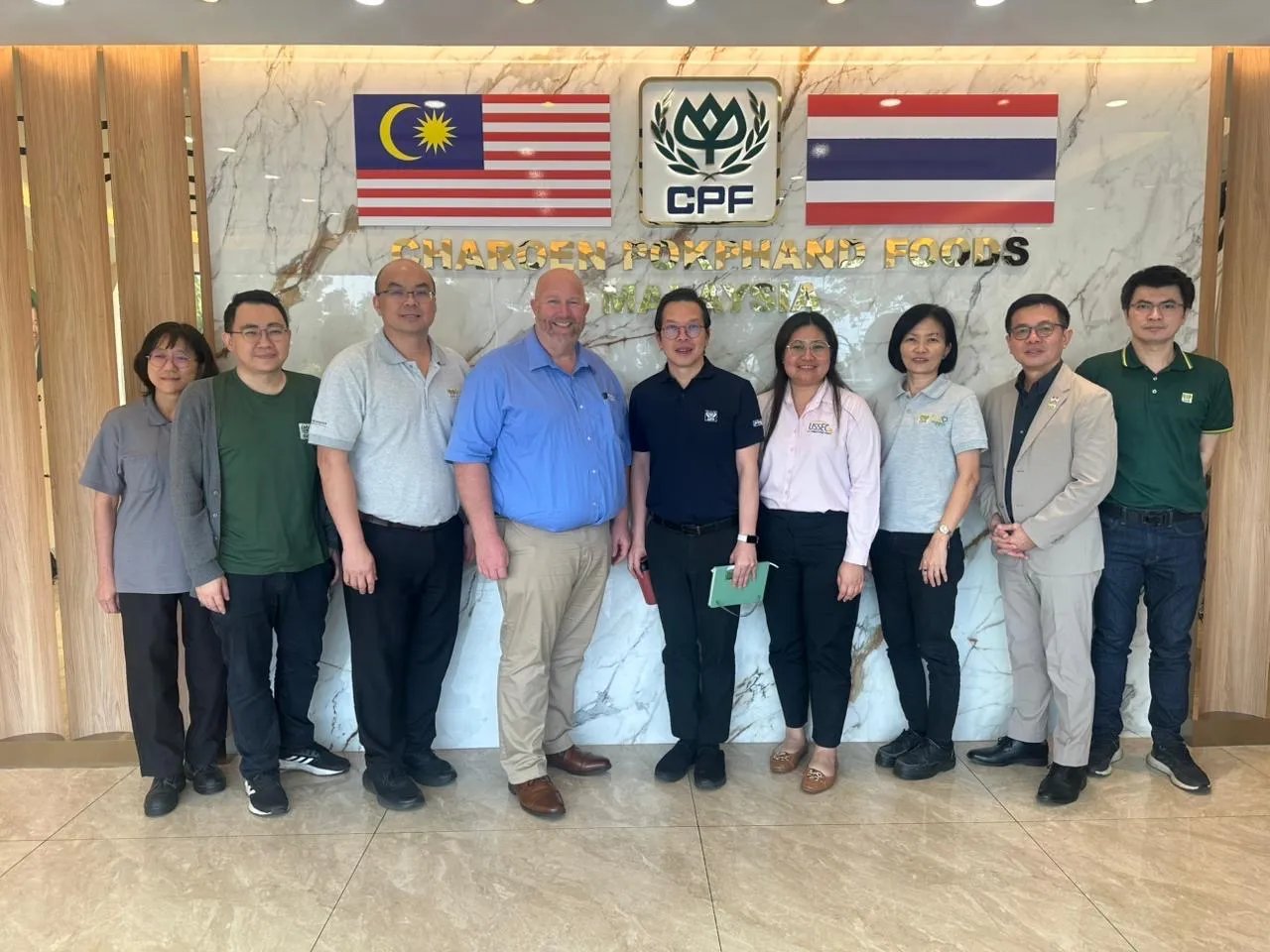
“USSEC is now active in approximately 90 countries,” Mellenthin said. “We’ve been able to enter markets that look beyond just the lowest price and showcase the superior value of U.S. soy, including its sustainability, consistency, and protein content.”
He pointed to recent market reopenings in Pakistan, where genetically modified soybeans are again being accepted after years of restrictions. U.S. soy now commands a premium over Brazilian alternatives, underscoring a growing preference for quality.
Infrastructure Investments Fuel Efficiency
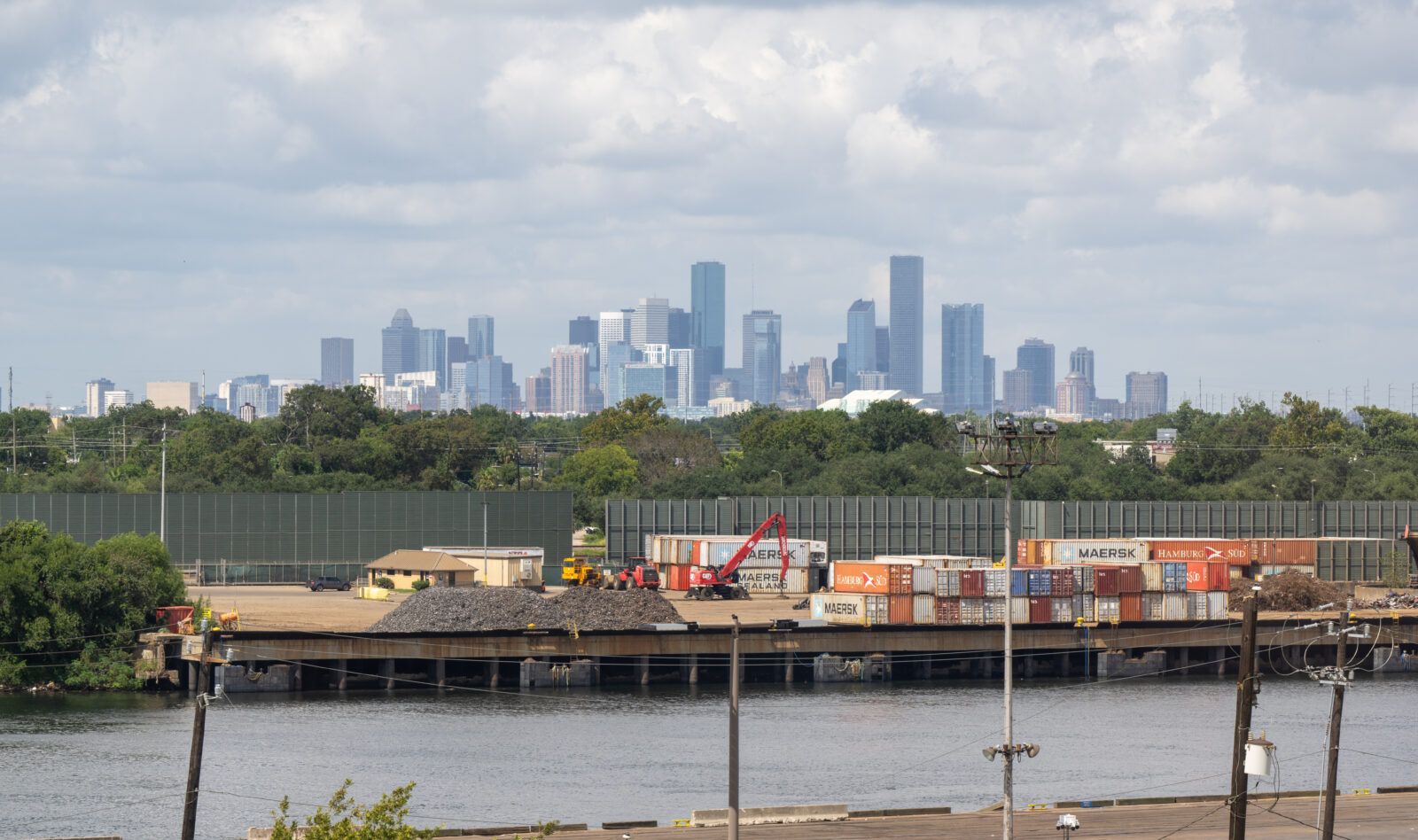
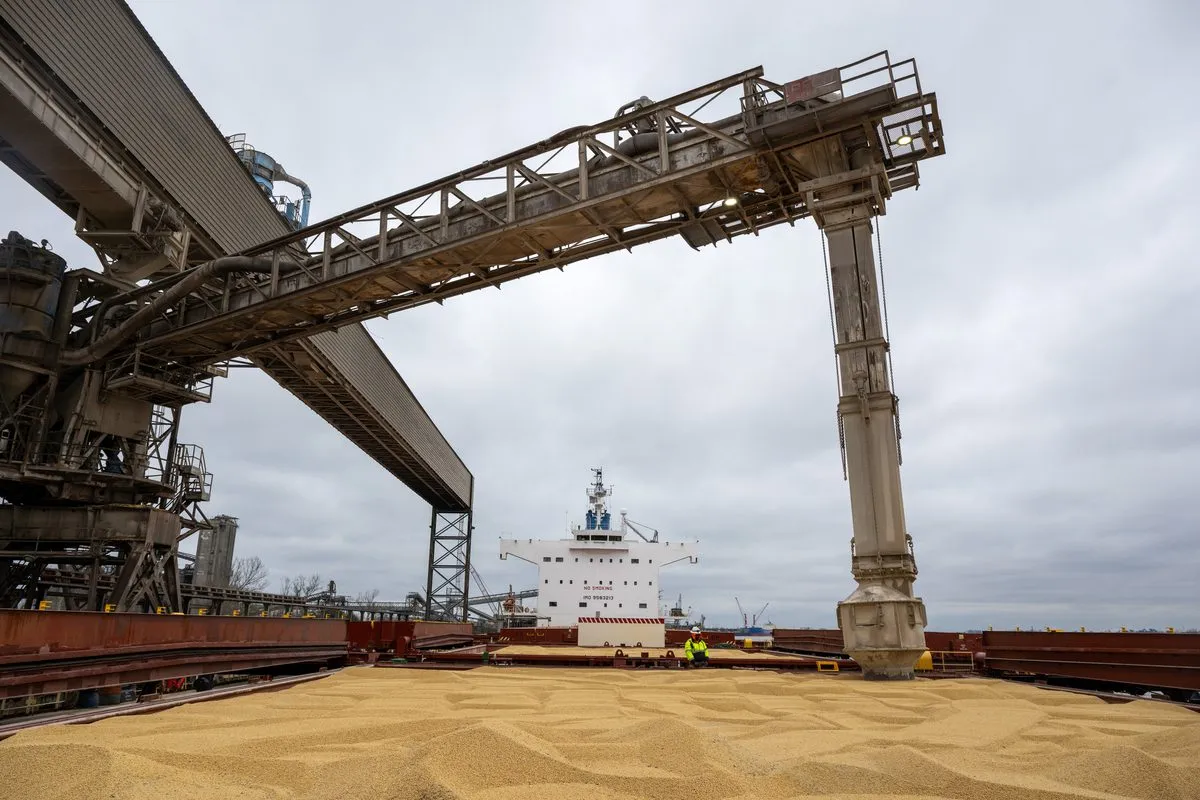
Mellenthin also highlighted a strategic farmer investment in the Port of Houston infrastructure. The newly optimized facility is designed to boost soybean meal exports; an increasingly important outlet as domestic crush capacity expands to meet renewable diesel demand.
“This port is rail-reliant, which gives us flexibility when river levels are low,” Mellenthin said. “It positions us to reach markets in North Africa and the EU with value-added soybean meal.”
Emerging Markets and Protein Demand
Isley, a Michigan farmer leader and representative of the World Initiative for Soy in Human Health (WISHH), detailed efforts to establish U.S. Soy in early-stage markets such as Central Asia, sub-Saharan Africa, and Southeast Asia.
“These are regions where people are just starting to understand what soy is,” Isley said. “We’re helping local producers through training programs, nutrition research and aquaculture development.”
Isley described a visit to Ghana where WISHH-supported aquaculture programs have introduced U.S. soy into local fish feed formulations, improving both fish health and farm profitability.
“In many of these countries, soy-based protein is a steppingstone toward broader economic and dietary improvement,” she said.
Livestock, Poultry Exports Tie Directly to Soy
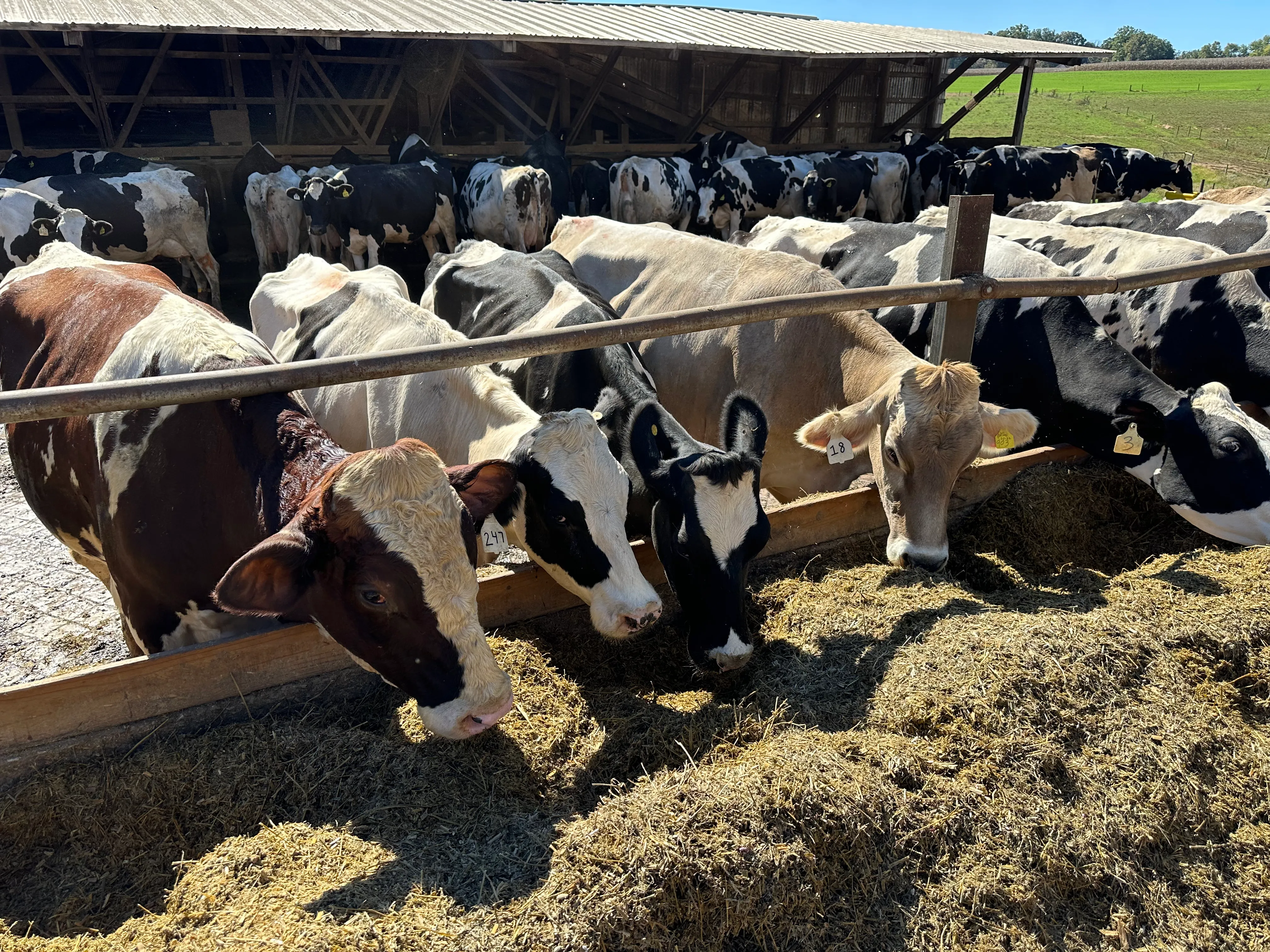
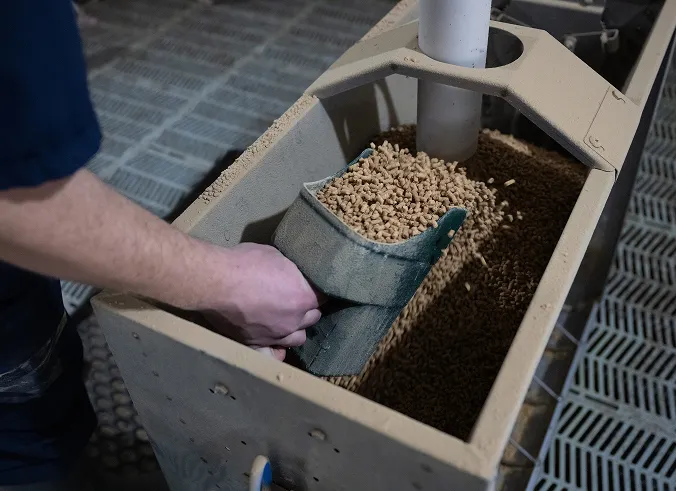
Douglas, an Indiana farmer and former U.S. Meat Export Federation executive committee member, emphasized how meat exports indirectly support soybean demand, particularly through soybean meal in feed rations.
“Exports of pork, poultry and beef have risen steadily. Pork alone hit a record 3 million metric tons in 2024,” Douglas said. “Soybean meal is the backbone of these protein production systems.”
Douglas added that expanding middle-class populations in Asia, Africa, and Latin America are driving protein consumption and, by extension, soy demand.
Sustainability Remains a Key Differentiator
Panelists also discussed the growing importance of sustainability in international trade. The U.S. Soy Sustainability Assurance Protocol now covers 71% of soy exports and is used by 147 companies across 21 countries.
“Even in developing countries, we’re seeing growing interest in sustainability certifications,” Isley said. “Consumers want to know the story behind their food.”
Outlook: Growth Despite Global Headwinds
Though challenges persist, from African swine fever in Europe to evolving trade policies, U.S. Soy leaders remain optimistic. Expansion in crush capacity and growing global interest in sustainable protein offer promising avenues for continued export growth.
“Yes, China remains key, but it’s not the only story,” Mellenthin said. “We’re building a resilient, diversified export future for U.S. soy.”
The three leaders underscored how investments in market development, infrastructure, and sustainability are opening doors individual farmers cannot access alone. The investments are creating demand in over 80 countries and positioning U.S. soy as the preferred choice in markets that value quality.

Joseph L. Murphy
USB Contractor, Director, Editorial Content
Joe Murphy is a photographer and writer focused on providing creative work.