


12.19.2025
Sarah Maney
Proven performance. Commercial scale. Your opportunity to innovate. Soy-based technologies are moving rapidly from niche innovation to commercial standard across the U.S. economy. Fire departments are transitioning from conventional firefighting foams to soy-based alternatives that eliminate harmful forever chemicals. Schools and public buildings are adopting flooring made with soy-based adhesives to reduce exposure to toxic volatile organic compounds (VOCs). Major retailers now stock DEWALT® lubricants formulated with U.S. soy.
These solutions are outperforming competitive products, meeting regulatory and institutional requirements, and creating new demand for U.S. soybeans. They also share a common thread: each advanced from concept to commercialization through research investment and industry partnership.
The next breakthrough could come from your organization.
The United Soybean Board (USB) is currently accepting proposals for technologies that expand soy use across industrial sectors.
A Track Record of Commercial Impact: Tire Technology & Beyond
USB’s long-running research partnership with Goodyear demonstrates how soy-based technology delivers measurable performance improvements. Research confirmed that soybean oil improves tire flexibility in cold temperatures while enhancing traction in rain and snow.
Since 2008, the collaboration has expanded into 11 commercial tire lines covering approximately 70% of vehicle types, earning Goodyear the 2018 Tire Technology International Award for Environmental Achievement of the Year. In 2023, Goodyear increased soybean oil usage by 9.9% year over year, with soy replacing approximately 60% of petroleum-based oil in select products. The company has committed to fully replacing petroleum-derived oils by 2040.
“Our work with the United Soybean Board presented a unique challenge and opportunity for our material scientists and tire engineers to employ soybean oil in the development of superior performing tires,” said Chris Helsel, Chief Technology Officer for Goodyear.
The impact extends beyond tires. Building on Goodyear’s breakthrough, Skechers now features “Goodyear Performance Outsoles” with soy-based rubber technology in over 122 footwear styles. “U.S. soybean growers are pleased to see this multiplier effect growing from their collaboration with Goodyear through the soybean checkoff,” said Ralph Lott, soybean farmer from Seneca Falls, N. Y., and former USB Chair.
Building Materials: Meeting Institutional Health Standards
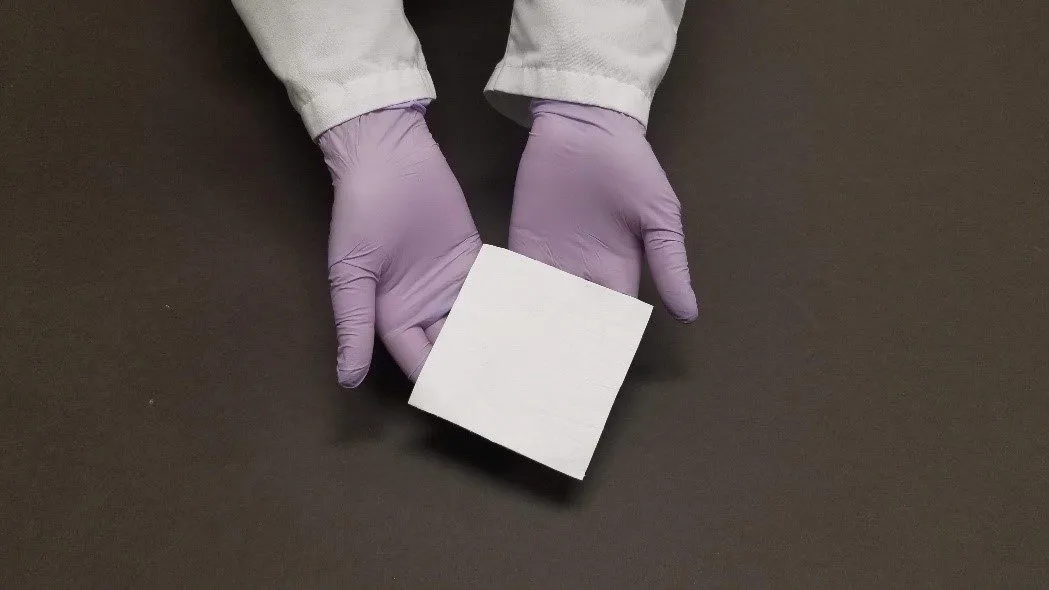
USB-supported research into soy-based adhesives has enabled new commercial building materials that meet both performance and health requirements. Kentucky-based HempWood produces flooring from fast-growing hemp fibers bonded with soy flour adhesives. The product is cost-competitive with domestic hardwood, zero-VOC, and formaldehyde-free.
Kentucky’s Warren County Public Schools installed HempWood flooring at Greenwood High School in November 2024, followed by an elementary school installation in 2025. “Installing HempWood flooring in our school was an easy decision,” said Chris McIntyre, Chief Financial Officer and Construction Supervisor for Warren County Public Schools. “As a zero-VOC, formaldehyde-free product, it supports a healthier environment for students and staff while contributing to a negative CO₂ impact.”
HempWood is carbon-negative, achieves hardness 20% greater than oak, and won the 2024 “Coolest Thing Made in Kentucky” award.
Infrastructure Solutions: Extending Pavement Life
Soy-based technologies are delivering measurable cost savings through extended service life and increased use of recycled materials.
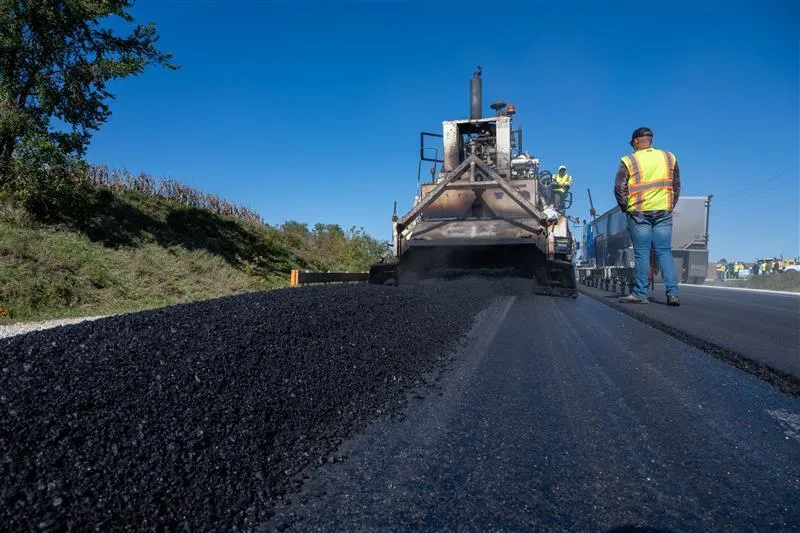
SoyLei Innovations, an Iowa State University spin-off company supported by USB and the Iowa Soybean Association, developed sub-epoxidized soybean oil (SESO) that enables up to 45% recycled asphalt content in new pavement. Unlike traditional approaches that only soften aged asphalt temporarily, SoyLei’s technology chemically restores performance by reacting with oxidized components. Field testing across nine states confirmed pavements with SoyLei’s SIP-1111™ resist cracking and meet durability requirements.
PoreShield concrete protectant by Crafco®, developed by the Indiana Soybean Alliance and Purdue University and supported by the USB, extends concrete life by 10+ years. Made from American-grown soybeans, it absorbs deep into concrete pores to protect against moisture and chloride ions—outlasting conventional surface sealers.
Safety & Industrial Products: Performance Without Compromise
In public safety, SoyFoam™ TF-1122 from Cross Plains Solutions is a fluorine-free firefighting foam made from U.S. soy. It is 100% PFAS-free, delivers 84% biobased content, and is the only firefighting foam to earn Clean Production Action’s GreenScreen Certified™ GOLD rating.
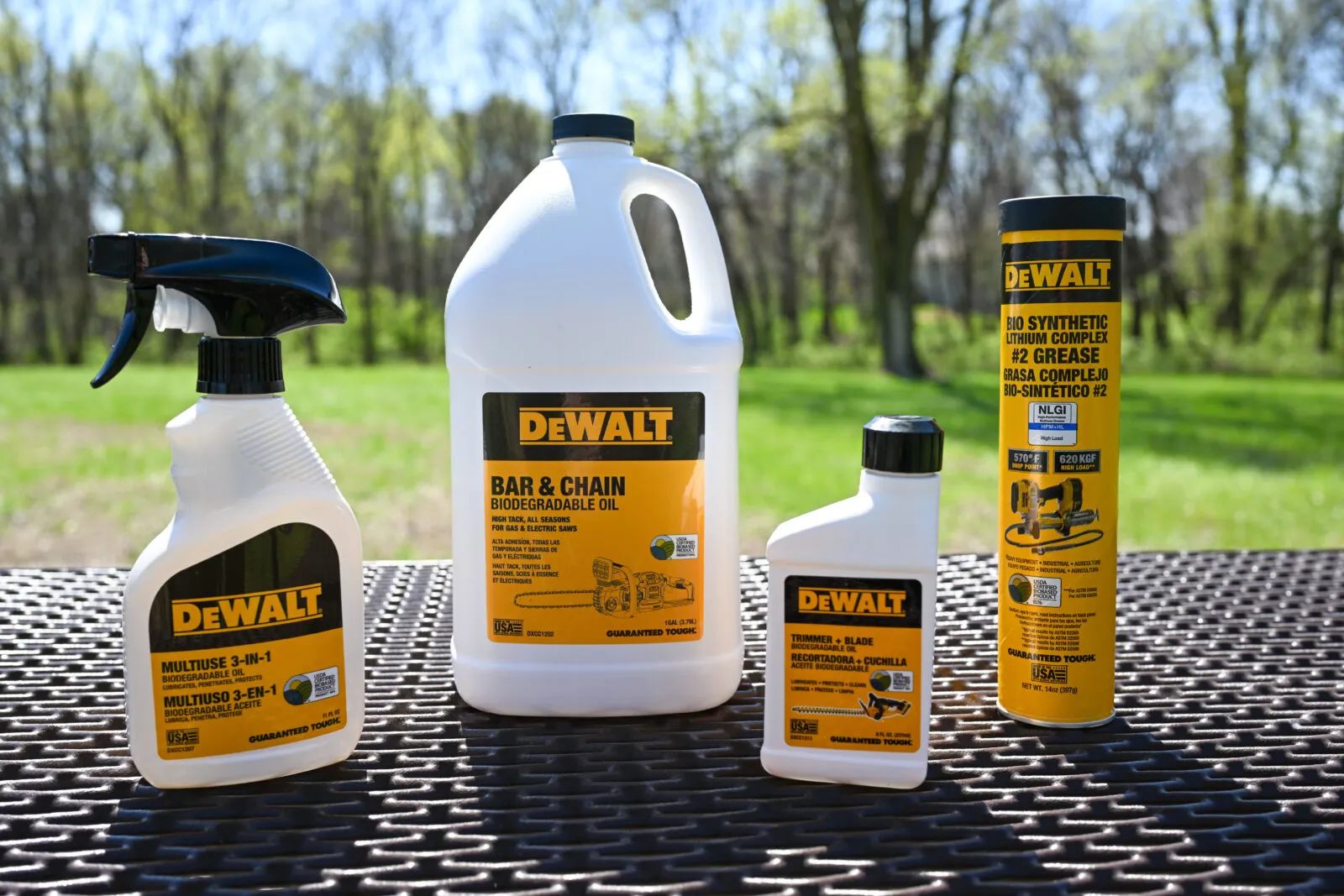
Dynamic Green Products manufactures high-performance soy-based lubricants sold under both its own brand and the DEWALT® label at major retailers nationwide. The products reduce environmental pollution by up to 90% compared to petroleum alternatives and are USDA Certified Biobased.
These examples demonstrate how soy-based technologies can deliver superior performance, meet regulatory demands, and scale commercially.
The USB RFP: Your Path from Innovation to Market
USB invites proposals for innovative technologies that create new, large-scale uses for U.S. Soy in applications such as bioplastics, chemicals, coatings, and adhesives.
USB seeks proposals for three key areas:
- Soybean Meal: Bioplastics, durable plastics, wood adhesives, and other large-scale applications utilizing soybean meal.
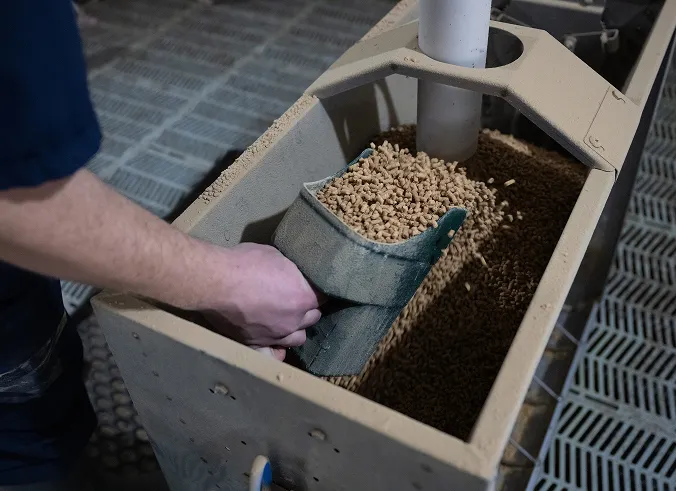
- Soybean Oil: Bioplastics, paints and coatings, infrastructure technologies (such as asphalt and concrete), and other large-scale applications leveraging soybean oil.
- Green Chemistry: Solutions that replace harmful or regulated chemicals with safer alternatives, particularly those with upcoming phase-out dates and no existing replacement.
Successful proposals should demonstrate that the technology works, has market demand, and can scale to commercial production. USB funding and collaboration help reduce development risk and speed time to market.
Join a growing roster of companies proving that soy-based solutions can outperform petroleum products while creating value across the supply chain and delivering real-world results. Submit proposals at https://unitedsoybean.org/request-for-proposals by Jan. 26, 2026.

Sarah Maney
Communications Coordinator
U.S. Soy provides a sustainable alternate protein, that allows our farmers to grow their businesses and feeds countless families around the world.